Many people get pain at the back of the heel, especially when their days involve both physical activity and long hours on their feet at work. Active people and those with desk jobs alike often notice an unpleasant soreness that makes everyday life less comfortable. The pain can come from constant strain, when repeated movements put a lot of pressure on the heel. It often creeps up as a nagging irritation that makes itself felt every time you move or walk. It can take the joy out of daily activities and make you less keen to stay active, which is why it helps to understand what lies behind it. When the heel feels sore or painful, the irritation can slowly start to get in the way of walking and ordinary movement. Many people find the pain gets worse when they go from resting to moving, and it can be particularly bothersome in shoes with stiff heel counters. This kind of discomfort usually shows up during periods of extra strain, for example after a long walk or a hard run.
What is pain at the back of the heel?
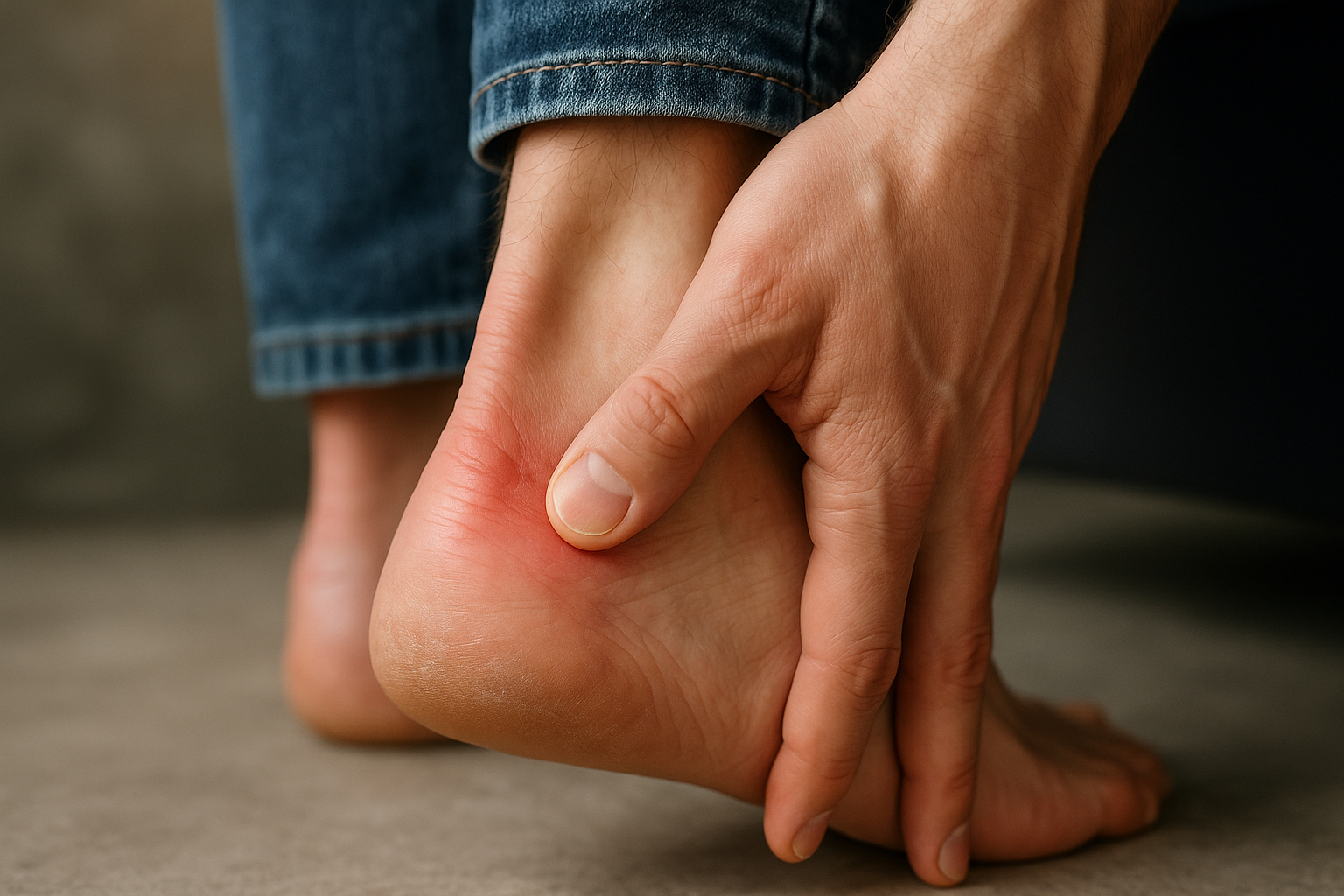
Pain at the back of the heel can be caused by irritation or inflammation where the Achilles tendon meets the heel bone. It can develop when the area behind the heel is put under repeated pressure or overloaded. Most often it feels like an unpleasant soreness that gets worse when you walk or wear certain shoes, especially ones with a firm heel counter. Some describe the pain as both sharp and throbbing, and it can appear when the heel has carried a lot of weight during the day. If you have this kind of pain, it can help to notice when and how it starts. That gives you a better idea of how your daily activities and strain are linked to the discomfort, and how repeated movements add to the irritation at the back of the heel.
Knowing how the pain shows itself is a useful part of listening to your body's signals day to day. By noticing which activities set off the discomfort and how the pain develops, you get a clearer picture of what is behind the pain at the back of your heel.
How the pain usually shows itself
Pain at the back of the heel often shows up as soreness right at the back of the heel. It can feel sharp with certain movements and more like a dull throb after long periods of activity. Many people describe stiffness in the morning or after resting, which eases once they have walked around a little but can come back when running or on longer walks. There may also be swelling, slight redness and extra sensitivity to pressure from shoes, especially when the area is under repeated strain.
How common is pain at the back of the heel in everyday life?
Pain at the back of the heel is a common problem for people who put a lot of strain on their feet through running, walking or long hours standing at work. It is also seen in people who suddenly become more active. Many active people, and many with desk jobs or physically demanding working days, say this kind of pain is often linked to what they do and can make them less keen to move. Because it is so common, it comes up often when people talk about everyday wellbeing.
Factors that can affect the pain
Several things can make the pain worse or change how it feels. Repeated strain from the same movements, shoes with stiff heel counters or poor shock absorption can increase the pressure on the area. Hard surfaces and sudden changes in how much you do are often linked to more irritation. Excess weight and muscle tension elsewhere in the body can also affect the strain on the heel: tension in the back, neck or shoulders can change your posture and the way you walk, which in turn affects your feet and legs.
How the pain varies and affects daily life
The pain can vary a great deal from person to person. For some it is a brief feeling during certain movements; for others it is a lingering, nagging soreness that makes ordinary walking and climbing stairs harder. It can come and go during the day and is often worst when you first get moving after rest or after standing for a long time. Because the pain feels different for everyone and disrupts daily life to different degrees, it can affect many situations — from work to free time.
What to look out for in everyday life
Small patterns repeated day after day can affect how pain at the back of the heel develops over time. Beyond one-off moments, it is worth noticing longer-term things: how the shock absorption in your shoes changes, how you stand and walk through the working day, and whether heavy bags or tired, awkward walking shift the strain. Changes in the surfaces you walk on and in your daily routine can gradually change how the load is spread across the heel.
- The shock absorption in your shoes can wear down over time and change the pressure on the back of the heel
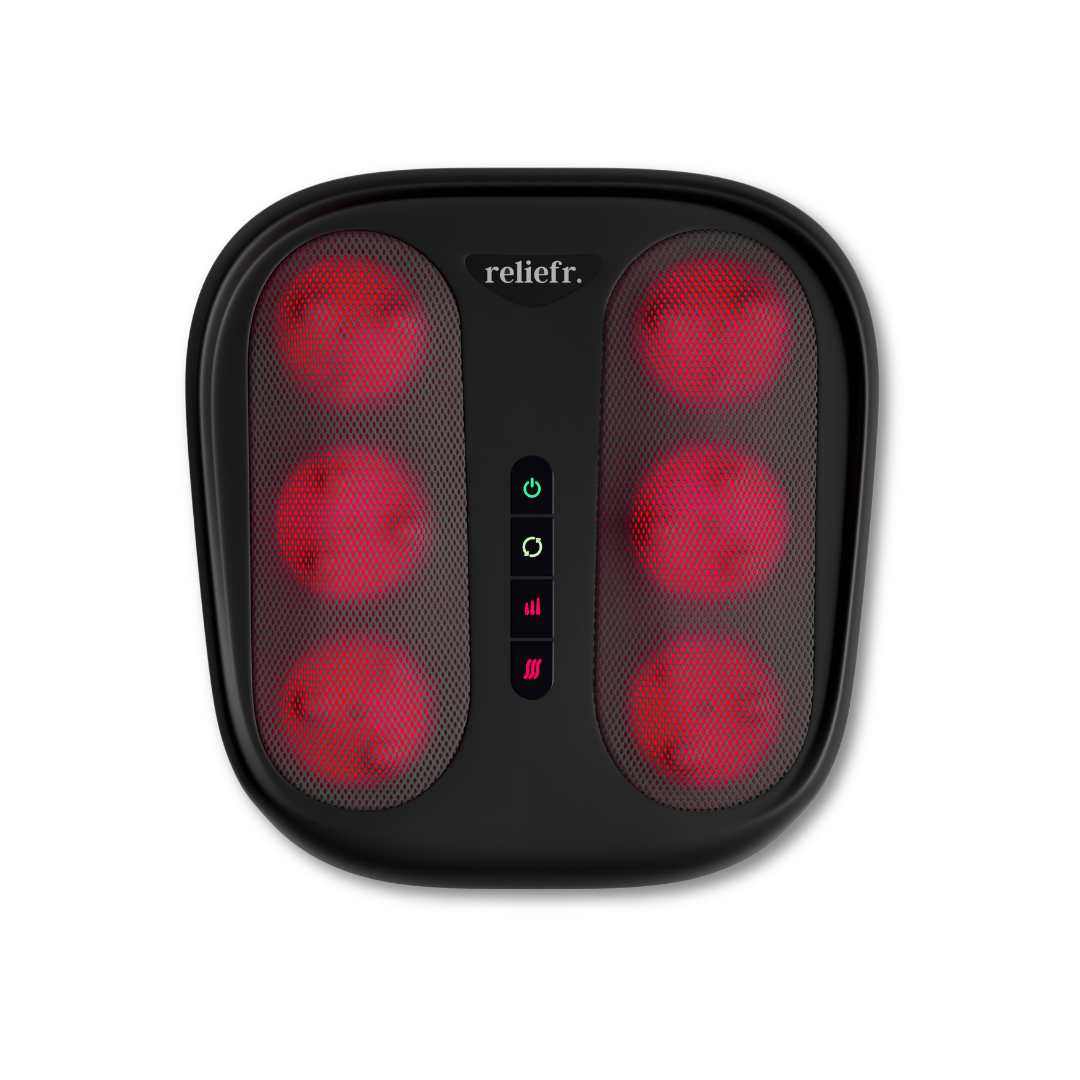
Massage is often mentioned in connection with pain relief and wellbeing. Gentle touch and soft holds around the calf and heel can change how tension feels, and many people find it affects how sore the area feels. At the same time, worn shoes and insoles can move pressure points over the months, so it is worth looking for patterns rather than single episodes.
It can also help to notice how changes elsewhere in the body affect the way you walk and hold yourself. Tension in the lower legs, a changed posture when you are tired or uneven footwear are often linked to a change in the strain on the heel. Jotting down short notes on when the pain comes and how it feels can give you a clearer picture of the patterns in your day.
Frequently asked questions
What can make pain at the back of the heel change over time?
Pain can change in character because of worn footwear, changes in how you load your feet day to day, different surfaces and gradual muscle fatigue. Small, repeated influences over weeks or months can change where and how you feel the discomfort.
Can massage and taking the strain off affect how pain feels?
Many people say that massage and gentle touch around the calf muscles change how tense the area feels, and so how sore it feels. Some also find that taking the strain off their feet in daily life can change how they notice the pain.
How long can pain at the back of the heel last?
It varies a lot from person to person. For some, the symptoms are short-lived and linked to a spell of extra activity, while others have discomfort that comes and goes over longer periods. How often it appears and how long it lasts often depend on repeated strain and daily habits.
.