Many people get pain on the side of the foot in everyday life. It often comes with tenderness and a little swelling, especially when the foot takes weight while walking or playing sport. The pain is often most noticeable during longer spells of physical activity, for example when running or when wearing shoes that don't give enough support. It can range from mild tenderness to more lasting discomfort that affects how comfortable you feel day to day. If you have these symptoms, it is natural to wonder about the cause, and many people want to know what lies behind pain on the side of the foot.
For some, the pain comes on suddenly; for others, it builds up gradually. Overload and strain in the muscles and tendons of the foot often play a part. The pain tends to be more noticeable during activities that put extra pressure on the foot. Understanding what this kind of discomfort involves helps you take better care of your feet and adjust your daily routine to reduce the pain and discomfort.
What is pain on the side of the foot?
Pain on the side of the foot means pain in the outer part of the foot. It often feels like a mix of tenderness and pressure, especially after activities that have put strain on the foot. Many people say the pain gets worse when they move and that it comes with some swelling. For some, the discomfort is temporary and linked to overload, while others have a more lasting, nagging ache.
Common causes include mild overuse, which can show up as tendinitis or small stress fractures in the foot. The pain often appears when you are more physically active, for example when running or doing other sports where the foot takes repeated impact. It is also a problem for people whose shoes don't support the foot well when they move.
Knowing what pain on the side of the foot is and how it usually shows itself makes it easier to work out what you need to feel some relief and be more comfortable day to day.
Common causes on the outer side of the foot
Pain on the side of the foot often comes from overload in the tendons or small changes in how weight is spread across the foot. Common sources include stress injuries in the small bones, irritated peroneal tendons and problems in the joints and cartilage near the outer edge of the foot. Repeated strain, sudden changes in how much you move, or shoes without good support often lie behind these structures becoming irritated and sore.
How the pain shows itself in everyday life
The pain can come on suddenly or gradually. People often describe it as tenderness when standing on the foot, a stabbing feeling with certain steps, or a vaguer feeling of pressure when the area is touched. Swelling and local tenderness are common, and the pain may be more noticeable after long walks or sport. If you start walking differently or avoid putting weight on the foot, tension can build up in the ankle, leg, knee, back or shoulders.
How common it is
The problem is common among very active people and among those who stand a lot during the day. Many notice symptoms during busier periods, after changing shoes or when working on hard surfaces. It is a frequent reason why getting around feels less comfortable, as it affects how you walk and whether you can enjoy your leisure activities.
What can make the pain worse
Several things can make the pain more noticeable: repeated strain without enough rest, uneven ground, shoes that lack support and sudden increases in activity. Tight muscles in the lower leg and around the ankle often add strain to the outer side of the foot, and being overweight or standing for long hours at work can also affect how much discomfort you feel.
How the pain can vary
The pain can range from sharp, brief stabs to a more constant, dull ache. It often changes during the day and can be worse with certain movements or after long periods of strain. Some people mainly feel discomfort when they start moving, while others feel the pain slowly build through the day.
Everyday things to keep an eye on
In daily life, small things often affect how discomfort on the side of the foot develops over time. As shoes wear and their fit changes, the way weight is spread across the foot can shift without you noticing at first. Your feet can also swell a little during the day, which affects how your shoes fit on long walks or long working days on your feet. These things often explain why an area feels more tender after certain activities or at certain times of day.
Habits and repeated strain that matter
Repeated everyday movements and the way you spread your weight can matter in the long run. Carrying heavy things on the same side, often standing with your weight on one leg, or walking for long periods on the same kind of surface can all affect how the strain is spread. Walking differently because of pain elsewhere can also change the pressure on the outer side of the foot, and small imbalances in the ankle or lower leg can make the area more sensitive over time.
Massage, rest and everyday well-being
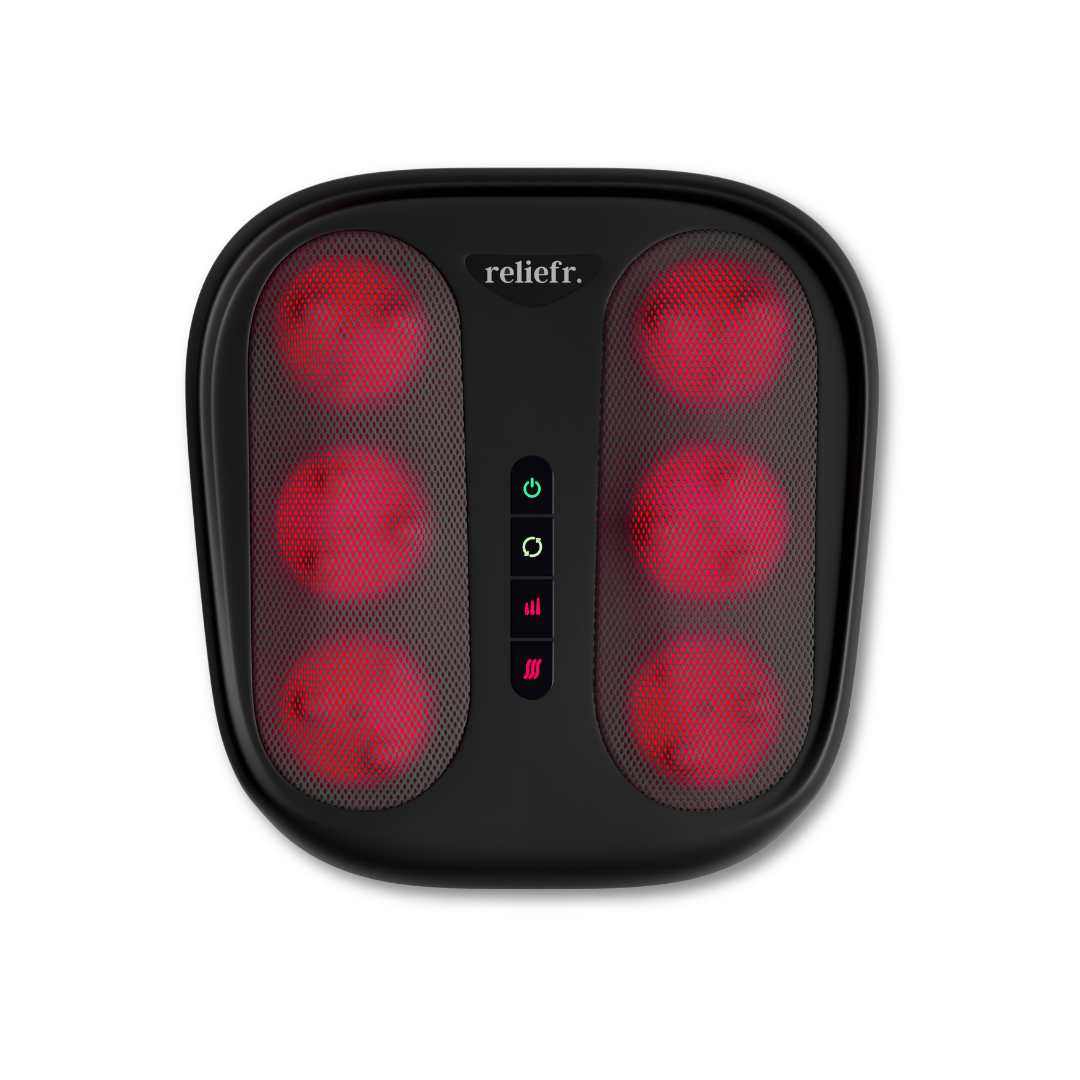
Think of massage and rest as part of a daily well-being routine rather than quick fixes. For some people, regular gentle touch and attention to the area can change how tender it feels. At the same time, the materials in shoes and insoles can gradually change how pressure is spread, so it is worth noticing how they feel during the day. In our shop you will find products for pain relief and massage, which some people say help them feel more comfortable, even though they do not necessarily change the cause of the discomfort.
Frequently asked questions
How can I ease pain on the side of my foot myself?
Many people start with simple steps: resting for a while from activities that strain the foot, cooling the area if it is swollen and switching to shoes with a different fit to reduce discomfort. Gentle massage and pain relief products are also often part of a home routine and can be a helpful support in everyday life.
When should I seek professional help?
If the pain lasts or gets worse, if there is sudden heavy swelling, or if walking becomes clearly harder, it is a good idea to have it checked. The same applies if your symptoms show no sign of improving within a few weeks, or if they seriously limit your normal daily activities.
Does massage help with pain on the side of the foot?
Massage is often mentioned as a way to boost circulation and become more aware of the area. Whether it helps varies from person to person, but some find that gentle, regular touch has a positive effect on tenderness and everyday comfort.