Many people have pain under the heel, and it can affect both short walks and everyday movements. The discomfort often appears after you have been active or have been standing for a long time. It can feel like a constant soreness or a sharp pain when you put weight on the foot. The pain can make everyday life feel less certain, because it keeps quietly reminding you that your foot needs extra attention. If you live with this pain, it can be a great relief to understand what usually happens in the foot and what can set the discomfort off.
Pain under the heel usually has more than one cause. Both strain and small imbalances in the way the foot is built can play a part. Many people notice that the discomfort gets worse when the foot is put under repeated strain or when they wear the wrong shoes day to day. The pain can vary in strength, but for most people it comes from some form of irritation in the area around and under the heel.
What is pain under the heel?
Pain under the heel is often described as a sore or stabbing feeling that makes it uncomfortable to walk or stand for long. It can range from a mild irritation to a more marked, lasting soreness that shows up the moment you take your first step in the morning or after a rest. Many people know how the pain gets worse when they are on their feet and eases off again when they rest.
The problem is often linked to conditions such as heel spur and plantar fasciitis, where the area around the heel shows signs of overload. It can feel as if the foot is asking for extra care, especially when you go from resting to moving. This kind of discomfort is common in people with an active lifestyle, but it can also affect those whose work involves a lot of standing or walking.
Understanding what the pain is about gives you a firm starting point for thinking about how to handle it in daily life. Once you are clear about how the discomfort feels and which situations most often bring it on, it becomes easier to see the link between strain and the pain under your foot. That understanding is an important step towards easing the discomfort and adjusting your daily routine so your foot gets the rest and support it needs.
Common causes of heel pain
Pain under the heel is often linked to ongoing strain and small imbalances in the way weight is spread across the foot. Repeated strain from walking, running or long hours on hard floors can irritate the tissue under the heel. Excess weight, a sudden increase in activity and shoes without enough support can also make the symptoms worse. Tension in the muscles of the calf, the foot and around the ankle can change how the foot is loaded, and so affect where and how the pain appears.
How the pain shows up in everyday life
The pain can feel very different from person to person. Some feel a sharp pain with the first step in the morning, others a more throbbing soreness after standing or walking for a long time. The pain may sit clearly under the heel or spread towards the front of the foot. When you are active, it often feels worst as you push off or put weight on the foot, while rest usually brings some temporary relief.
How other parts of the body can play a part
The strain on your feet is affected by your posture and by tension elsewhere in the body, such as the back, neck, shoulders and legs. Tight muscles in the calf or hip often change the way you walk, which can put more pressure on the heel. In the same way, tired shoulders and a tired back can change the way you move during the day, which can indirectly affect the pain in your feet.
How common is heel pain?
Pain under the heel is common. It is seen both in active people and in those whose work means many hours on their feet. Many people have spells of it at some point in their lives, especially when they become more active or change their daily habits. For many, the symptoms affect their everyday comfort and make it harder to walk or stand without having to take breaks.
Everyday factors that can affect how strong the pain is
- Your choice of shoes and the support in the sole can affect how weight is spread across the foot
- Hard surfaces at work or during exercise can increase the strain
- Sudden changes in activity or weight can put more pressure on the heel
- Not taking the weight off your feet regularly during the day can make the pain last longer
Different kinds of heel pain
Heel pain does not show up the same way for everyone. Some feel short, sharp pain when they put weight on the foot, while others have a constant soreness. Where it hurts can vary too: clearly under the heel, further along the sole of the foot or more vaguely around the ankle. These differences affect what kind of relief people usually look for in daily life.
What to look out for in everyday life
When you have pain under the heel, small everyday patterns can affect how the discomfort develops over time. Rather than looking for quick fixes, it can help to notice movements you repeat, how your shoes look after daily use and which activities tend to come before the discomfort gets worse. The steady influence of your daily habits can show up as pain that comes and goes in strength or moves to a different spot.
Wear on your shoes in particular can tell you something about how your weight is spread. Clear wear on the outer sole or a heel edge worn down at an angle can be a sign that the load is shifting across the foot. Likewise, a narrow toe box or a hard heel counter can change how pressure is spread under the heel and across the foot as a whole.
Work patterns and daily routines often matter over time. Long periods of standing, lots of short walks on hard ground or work where you stand in the same way all day can put more lasting stress on the tissue around the heel. There can also be differences between busy periods and quieter weeks, with the pain either getting worse or easing for a while.
Sleep and rest can affect how the pain feels during the day. For some, stiffness after rest shows up as sharper pain in the first few steps, while others notice a change after being active for a long time. These patterns can show you how strain and recovery are linked over the course of the day.
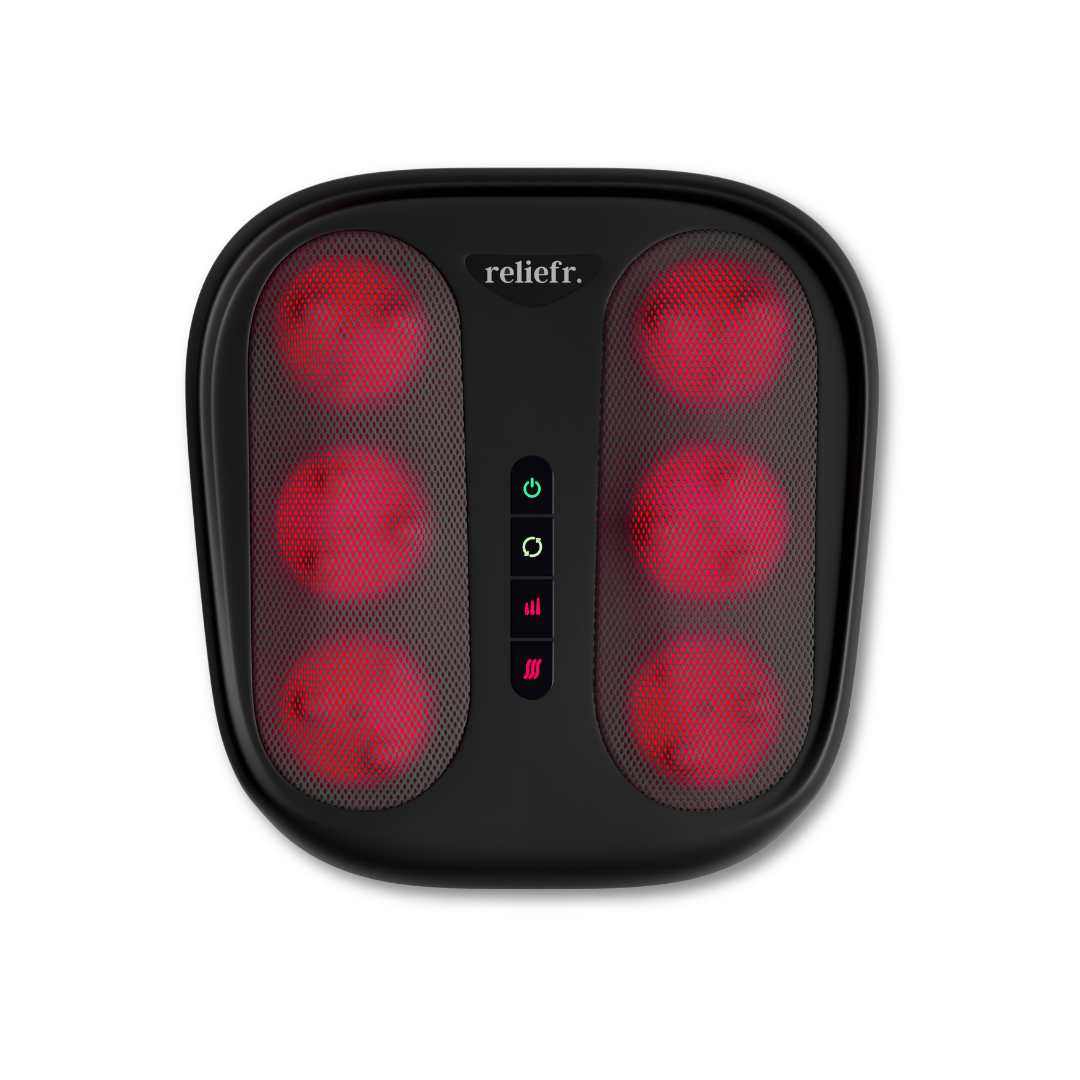
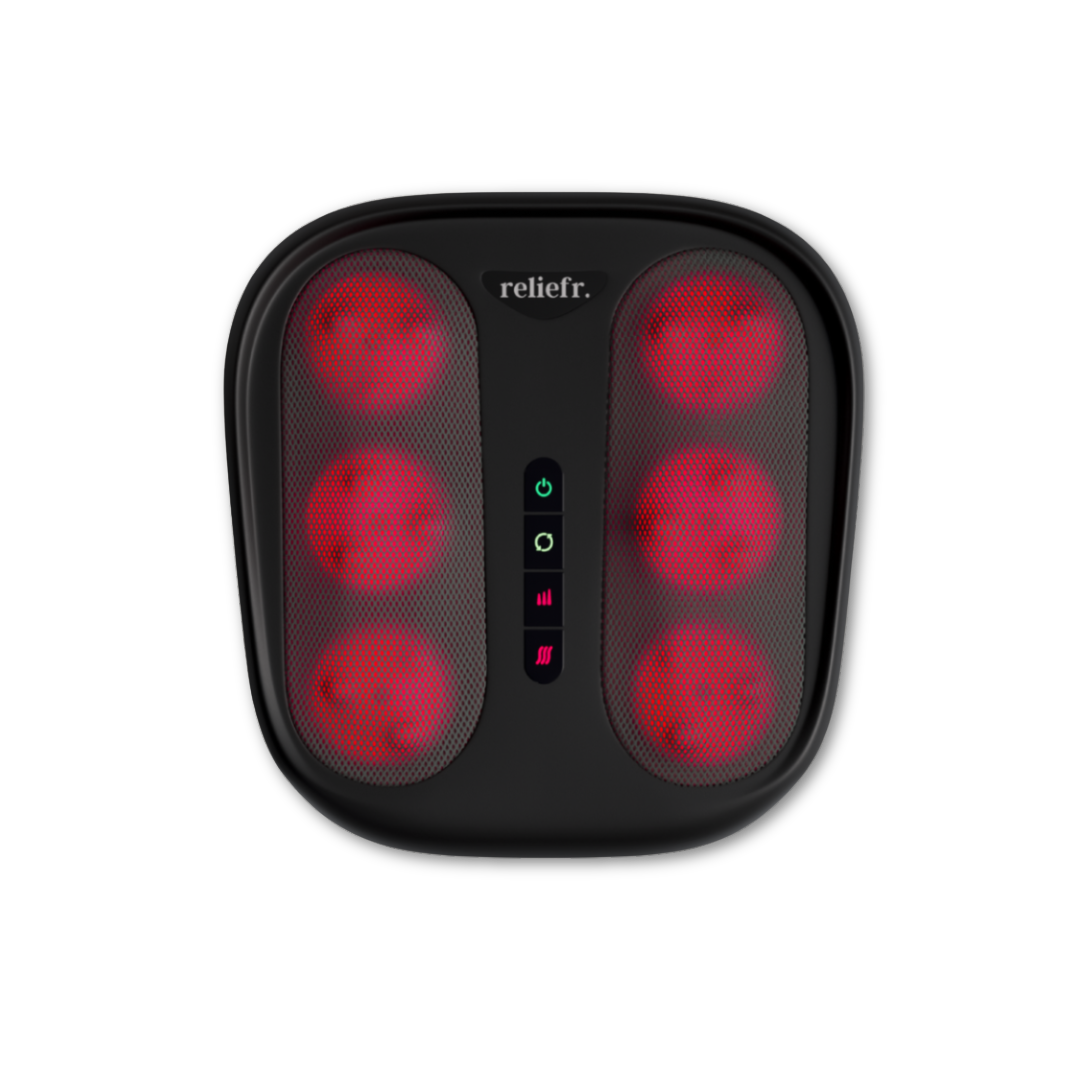
Massaging or lightly touching the area can be a way to change how tension and soreness feel. Many find that massage helps increase local blood flow and relax the soft tissue, which for some means the foot feels different day to day. Products from our shop, such as foot rollers or massagers, can be part of your daily wellbeing, but they are not a solution on their own.
- Wear patterns on shoes and insoles that show a change in how the foot is loaded
- Long periods on hard or uneven ground
- Repeating the same movements at work or in your free time
- Pain that changes after rest or after activity
- Emotional or physical tiredness that can change the way you walk
Over the months, small habits can add up to a noticeable effect. Looking for patterns, rather than reacting to single episodes, often gives a clearer picture of what affects the problem. If you note when the pain tends to change, you have something to build on when looking for solutions, and it becomes natural to ask more specific questions about relief and care.
Frequently asked questions
Can massage help with pain under the heel?
Massage can be a way to ease tension in the soft tissue of the foot, and many notice that the calf and foot feel more relaxed afterwards. Many say that massage changes how the area feels straight away, although the effect varies from person to person.
How long can heel pain last?
It varies a great deal. For some it is a short-lived problem when they are more active, while others have longer periods where calmer spells alternate with more difficult ones. The patterns often become clear over weeks or months.
How can your shoes show that the load on your feet has changed?
The outer sole, the heel edge and how compressed the sole is can all show how your weight is spread when you walk. Looking at the wear can tell you whether the load has shifted to a particular part of the foot or whether the way your foot moves has changed.
Can daily routines affect how the pain develops?
Yes. Repeated movements, how long you stand at work and the kind of surface you are on can all shape how the discomfort shows up over time. Small changes in your daily routine can therefore make a difference to the pain in the longer term.
.