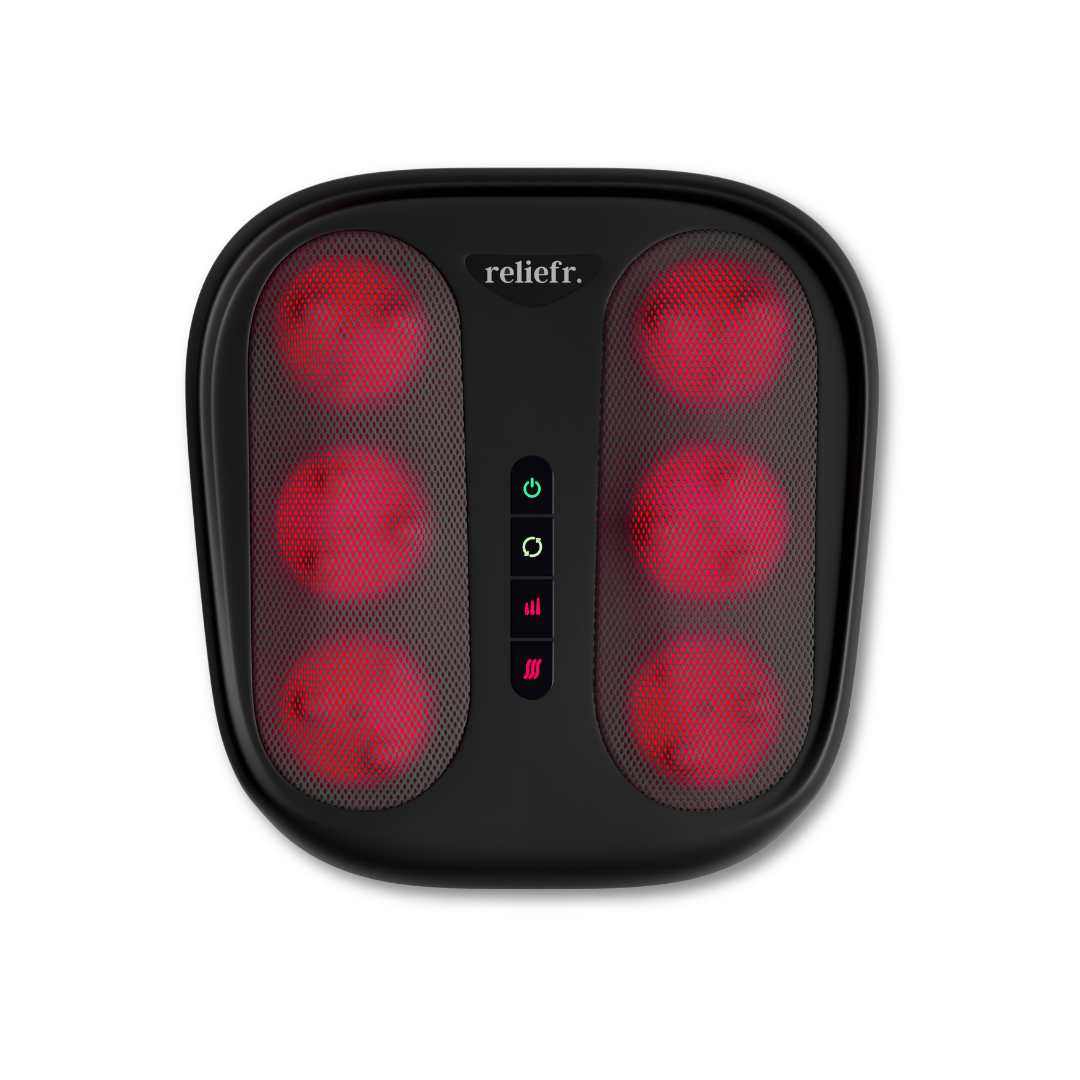
Many people have pain in the heel, and it can affect how comfortable you feel and how easily you move around each day. It often feels sharp or sore, especially when you get up in the morning or after a period of rest. Plantar fasciitis is a condition often mentioned in connection with heel pain, so many people look for practical treatments they can use at home. In everyday life, that first pain when you wake up or stand up after sitting for a long time can be both uncomfortable and worrying. It is only natural to look for ways to ease the daily strain and get some pain relief without invasive clinical treatment.
Treatment for plantar fasciitis usually focuses on conservative methods, where taking the load off the heel and doing regular exercises are often named as the key elements. Many people find that giving the heel a break from everyday strain can help reduce the pain that often comes after periods of inactivity. So it is no surprise that there is great interest in treatments that are easy to use at home and that aim to improve quality of life step by step.
When the pain is at its worst, everyday movement can also become a challenge. Part of the pain can feel tight and sore around the heel, which makes even short walks tiring. That is why many people look for well-tried methods that can bring quick and effective relief. Here is how the pain often shows itself in everyday life:
- Pain with the first steps in the morning
- Discomfort after long periods of rest
- More pain after standing or walking for a long time
These are challenges that many people with heel pain will recognise. So it makes sense to want to understand what plantar fasciitis treatment involves, and how the different methods work together to bring relief when pain is a noticeable part of everyday life.
What is plantar fasciitis treatment?
Plantar fasciitis treatment covers a range of conservative methods aimed at relieving pain in the heel and the arch of the foot. It often combines taking the load off the heel with targeted exercises that help reduce the daily strain on it. It is a way of dealing with the discomfort that is often felt in the early morning or after long periods of inactivity. Practical methods you can use at home are safe and familiar, and you can adapt them to your own needs in a busy everyday life. Combining rest for the heel with specific exercises that loosen and support the plantar fascia can bring pain relief, which many people feel makes a real difference to their quality of life.
How do the symptoms show in everyday life?
The pain often shows as tenderness or a sharp feeling around the heel with the first steps in the morning or after resting for a long time. Many people find that the discomfort gets worse after standing or walking for long periods, and that short walks or daily tasks become harder work. Besides the pain in the heel itself, muscle tension and stiffness can develop, which you may feel in the calf, the foot and sometimes higher up in the body.
How common is the problem in everyday life?
Heel and foot pain affects people of many ages, and to very different degrees. For some, the symptoms are mild and only bothersome during certain activities; for others, they limit movement every day. When the discomfort lasts, it often goes hand in hand with a changed way of walking, more frequent breaks and a need to take more strain off the feet in everyday life. This also means that other areas, such as the knees and back, can feel more strain and tension.
Which factors can affect pain and muscle tension?
Several things can affect how much pain and tension you feel. Excess weight and a lot of strain in everyday life can put more pressure on the heel and the tissue of the foot. Shoes without enough support, or walking on hard surfaces, can make the discomfort worse. Age and muscles and tendons that are less supple can also play a part. Long hours of standing at work or sudden changes in how active you are can make the pain more noticeable as well.
Everyday ways to ease the strain and relieve pain
Simple steps in everyday life can bring noticeable relief without clinical treatment. Taking more breaks, cutting back on demanding activities for a while and wearing supportive shoes can reduce the pressure on the heel. Gentle massage of the foot and calf can loosen muscle tension and increase local blood flow, which often feels soothing. Many people find regular, gentle movement and stretching of the calf muscles helpful, as it can improve mobility and reduce stiffness.
How the symptoms can vary
Some people mainly have pain in the morning, while others feel it after activity. The intensity can change from day to day and often depends on how active you have been, your footwear and how much rest you get. Understanding these patterns can help you choose everyday habits that ease the strain and reduce both the pain and the muscle tension that comes with it.
Everyday things to look out for
In daily life, it is often small things, repeated again and again, that play a part. Shoes without enough support and walking for a long time on hard surfaces can affect how pain feels over time. In the same way, changes in how active you are, such as a sudden increase in strain, often go together with changes in the symptoms.
Your habits around rest and movement matter too. Many people notice stiffness and soreness with their first steps in the morning, while others find it gets worse after standing for long periods. Patterns like these can show which everyday situations trigger the discomfort most.
Long-term strain and wear
Over time, repeated strain can affect both the tissue and the way you move. Worn shoes, a sole that gives less support or a change in how your weight is distributed can slowly change how the structures of the foot are loaded. You may notice this as symptoms that gradually get worse or come and go, depending on your daily habits and the kind of activity.
The level of tension in the calf and foot can also affect your daily comfort. In some cases, massage and gentle working of the muscles can be a way to increase local blood flow and reduce tension, which some people find soothing. It is important to tell the difference between what brings temporary relief and what changes a pattern over a longer period.
Look at patterns rather than quick fixes
Calmly noticing which situations bring on discomfort again and again can give you a clearer picture over the long term. Small things repeated every day can, over months, make a difference to how strong the symptoms are. Being aware of these patterns is often more about observing than about doing something straight away.
When you notice changes in your symptoms or in how you manage day to day, questions often come up about the cause and what happens next. Below you will find answers to some of the most common questions people ask about plantar fasciitis treatment.
Frequently asked questions
How long can plantar fasciitis pain last?
It varies a lot from person to person. Many people have periods when it gets better and periods when it gets worse, and it can go on for months. How active you are and your daily habits can affect how quickly you notice changes.
Can massage affect how the pain feels?
Massage can feel soothing because it works on muscle tension and local blood flow. For some people it brings short-term pain relief, while others notice less effect, depending on their situation.
How does your choice of shoes affect daily strain?
Your choice of shoes can affect how pressure is spread across the foot. Over time, the condition of the sole and the support of the shoe can change which areas take the most strain, and so affect how the symptoms show in everyday life.
.